
Field Notes · July 3, 2026 · 4 min · By Ansel Quirke
Non-surgical treatments for the face: the toolkit
Injectables, lasers, and energy devices, what each actually does for the face without surgery.
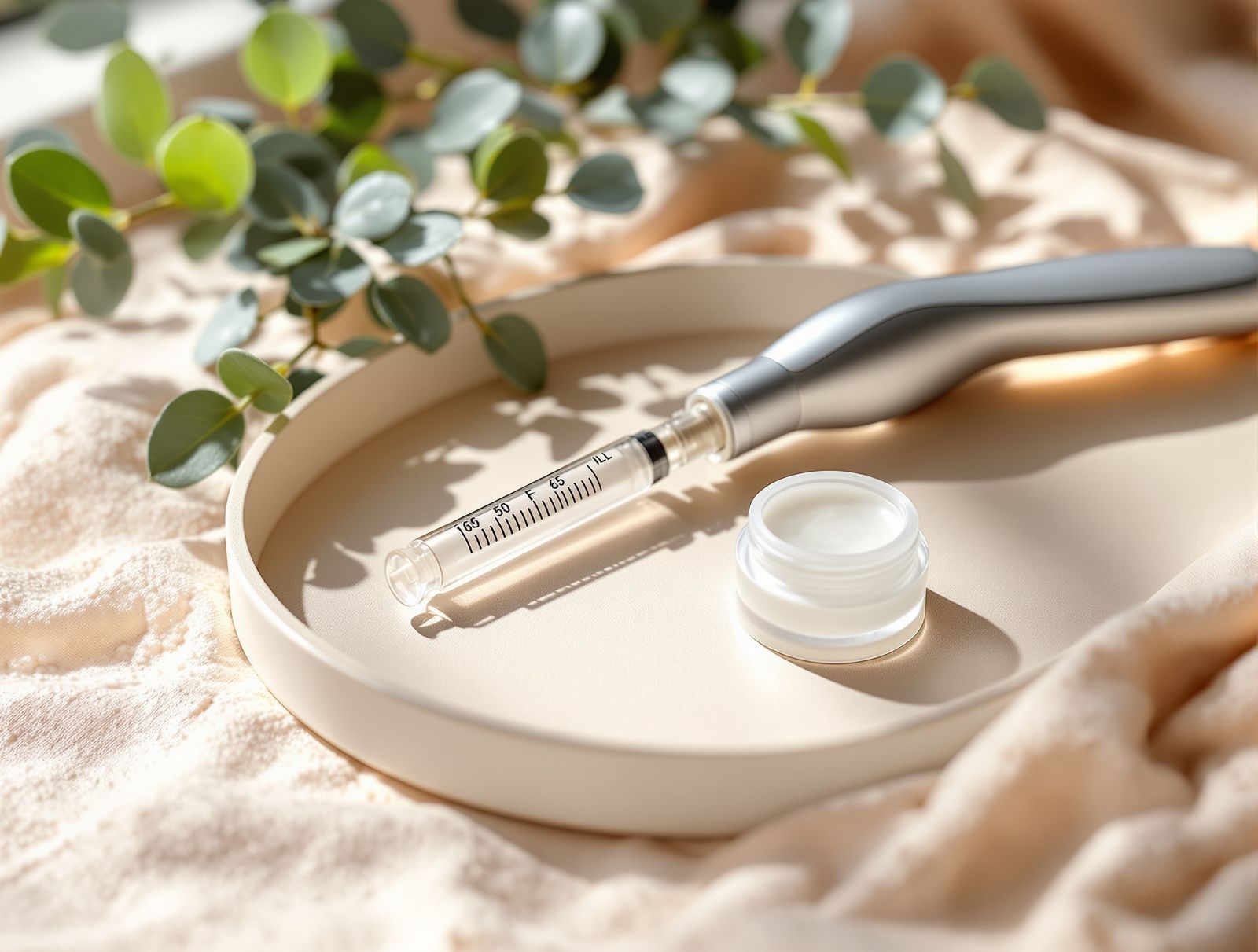
Walk into any medical spa and the menu for the face can feel endless, but nearly every non-surgical facial treatment falls into a handful of families, and knowing what each one actually does is the fastest way to match a real concern to the right tool rather than to the most heavily advertised one.
The face toolkit runs in parallel to the non-surgical body toolkit: injectables, light and laser devices, energy-based tightening, and resurfacing treatments. Each addresses a different layer of aging or a different concern, and most thoughtful plans combine two or three rather than relying on any single treatment. What they share is the non-surgical promise, no incisions, little to no downtime, and gradual, natural-looking change rather than a dramatic surgical result.
Injectables relax lines and restore volume
Injectables are the most common entry point. Neurotoxins, the category that includes Botox and its relatives, temporarily relax the specific muscles that create dynamic wrinkles, the frown lines, forehead creases, and crow's feet that deepen when you make expressions. The effect is not permanent; it typically lasts three to four months before muscle activity returns, which is why treatment is repeated. Dermal fillers do something different: rather than relaxing muscle, they add volume beneath the skin to soften static folds, plump lips, or restore cheek contour that has flattened with age. The U.S. Food and Drug Administration reviews and clears these products and publishes plain guidance on how they work and their risks (FDA on dermal fillers), and Mayo Clinic offers a clear patient overview of what neurotoxin treatment can and cannot do (Mayo Clinic on Botox). The honest framing is that neurotoxins address movement lines while fillers address volume, and confusing the two is a common route to disappointment.
Lasers and light target tone, texture, and pigment
The second family uses light. Lasers and intense pulsed light (IPL) deliver targeted energy that the skin absorbs to address concerns injectables cannot touch: brown spots and sun damage, diffuse redness and broken capillaries, uneven tone, and rough texture. Some devices resurface the skin's surface to smooth fine lines and scarring, while gentler ones work below the surface to even out color with minimal recovery. The trade is usually between strength and downtime. A deeper resurfacing laser does more in one session but asks for real healing time, while lighter treatments do less per visit and stack their results over a series. Matching the device and its intensity to your skin tone matters here, since some lasers carry more risk of pigment changes on deeper skin, one more reason this is a conversation for a qualified provider rather than a walk-in special.
Energy devices firm mild laxity
The third family firms the skin. Radiofrequency and ultrasound devices heat the deeper layers to contract existing collagen and prompt new collagen over the following months, gradually tightening mild laxity along the jawline, cheeks, and neck. This is the same principle behind non-surgical skin tightening for the body, and it carries the same important limit: it firms early, modest looseness, but it cannot lift significant sagging, which remains the territory of a surgical facelift. Expecting a device to do a scalpel's job is the most common way patients end up dissatisfied.
Resurfacing with peels and microneedling
A fourth family resurfaces the skin through other means. Chemical peels apply a solution that removes damaged outer layers so smoother, more even skin can surface, useful for tone, texture, and fine lines, with depth ranging from a light refresh to a more intensive treatment that needs recovery (Mayo Clinic on chemical peels). Microneedling creates controlled micro-injuries that trigger collagen repair, improving texture, pores, and shallow scarring, and it is often paired with radiofrequency for an added tightening effect. Like the rest of the toolkit, these build results over several sessions rather than transforming the face overnight.
As with any non-invasive plan, the result depends less on the machine than on the match between the concern, the treatment, and the candidate. The same candidacy principles that govern non-surgical body treatments apply to the face: healthy skin, realistic goals, and a provider willing to say when a treatment will not deliver what you want. Good skin health, especially daily sun protection, both protects your investment and improves how every one of these treatments performs, since sun damage undoes tone and texture gains faster than any device can restore them.
The takeaway is to think in families, not brand names. Injectables handle lines and lost volume, light and laser devices handle tone, pigment, and texture, energy devices firm mild laxity, and peels and microneedling refresh the surface. Most faces benefit from a modest combination chosen for their specific concerns, delivered over a series of sessions, with maintenance to hold the result. Enter with realistic expectations, match each concern to the family built to address it, and the non-surgical facial toolkit offers genuine, natural-looking improvement without a knife.