
Dispatch · July 16, 2026 · 6 min · By Bellamy Osei
What FDA cleared actually means for cosmetic devices
Cleared, approved, and registered are three different things, and knowing which one a clinic is claiming tells you a lot about the device in front of you.
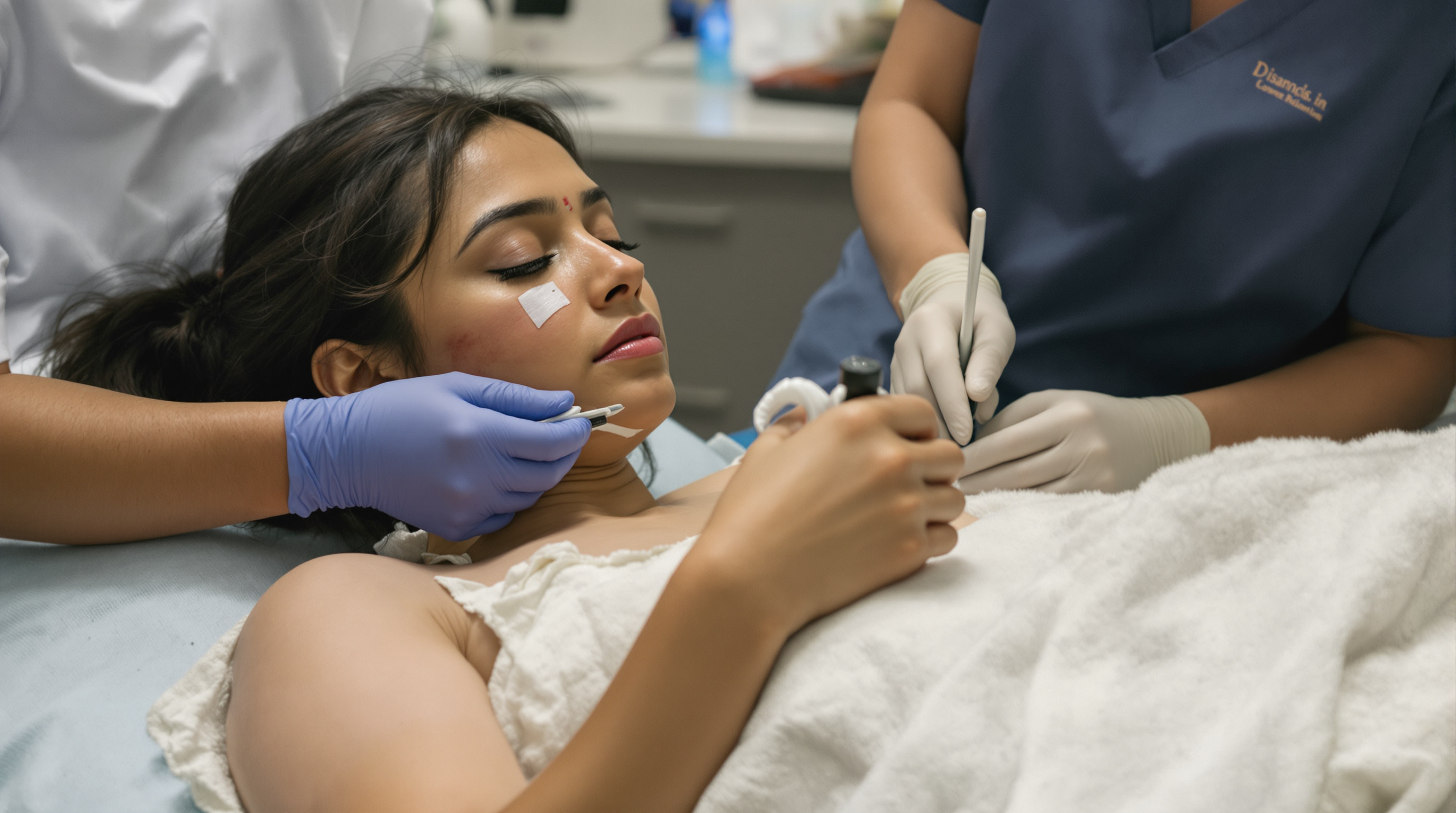
Nearly every non-surgical treatment is sold with some version of the phrase FDA cleared, and nearly no one booking a treatment knows what the phrase actually promises. That gap matters, because cleared, approved, and registered are three different regulatory statuses with very different meanings, and clinics do not always use them carefully. Understanding the difference takes ten minutes and turns one of the most common marketing lines in aesthetics into something you can actually evaluate.
Approved and cleared are not the same word
The U.S. Food and Drug Administration regulates the products of non-surgical aesthetics through two main routes. Drugs and biologics, which include neurotoxins like Botox, go through FDA approval: the manufacturer must submit clinical trial data demonstrating that the product is safe and effective for its specific use before it can be sold. Certain higher-risk devices, including dermal fillers, go through a similarly demanding premarket approval process. Approval is the stricter standard, and the FDA explains the distinction plainly in its consumer guidance (FDA: Is it really FDA approved?).
Most of the energy devices in a medical spa, the lasers, radiofrequency machines, ultrasound tightening platforms, fat-freezing applicators, and muscle stimulators, take a different route called 510(k) clearance. Under this pathway, the manufacturer demonstrates that the new device is substantially equivalent to a device already legally on the market, called a predicate (FDA: 510(k) clearances). Clearance is a genuine regulatory review, and it is meaningfully better than nothing, but it generally does not require the kind of large clinical trials that approval does. When a clinic says a body-contouring device is FDA cleared, that is usually true and usually means this pathway, not an efficacy trial of the kind patients tend to imagine.
The device is cleared for something specific
Here is the detail that does the most work: devices are cleared for specific indications, meaning particular uses on particular areas. A radiofrequency device might be cleared for the temporary reduction in the appearance of cellulite, or for non-invasive treatment of mild laxity on a named body area. That indication language is precise on purpose, and it is often far more modest than the marketing built on top of it. Temporary improvement in appearance is not the same claim as fat removal or a non-surgical facelift, and reading the two side by side is instructive. The FDA maintains an overview of aesthetic devices and what they are actually intended to do (FDA: aesthetic devices), and peer-reviewed work has repeatedly noted the distance between cleared indications and consumer-facing claims in aesthetics (review of noninvasive body contouring evidence, NIH).
Providers may also legally use cleared and approved products off-label, on areas or for concerns beyond the cleared indication. Off-label use is common, legal, and sometimes well supported by clinical experience, but it means the specific use you are buying may not have been part of any FDA review at all. That is worth knowing, and worth asking about directly.
Registered is not cleared, and cleared is not endorsed
Two more phrases deserve a flag. FDA registered usually means only that a manufacturing facility has listed itself with the agency, which is an administrative requirement, not a review of the product. A device marketed primarily as FDA registered has told you almost nothing. And no status, cleared or approved, is an FDA endorsement of the clinic, the operator, or the results in their gallery. The agency reviews products, not providers, which is why who performs your treatment and with what remains the biggest safety lever you control. Counterfeit and copycat devices also circulate in aesthetics, carrying the look of a brand-name platform without its engineering or its clearance, and they are one reason the cheapest offer in town so often costs the most.
How to use this at a consultation
The practical application is simple. Ask for the exact name of the device, not the category, and look it up in the FDA's public 510(k) database before you book. Read the cleared indication and compare it to what the clinic promised you; if the clinic is claiming dramatic fat removal and the clearance says temporary reduction in circumference, you have learned something about how the practice communicates. Ask whether the planned use is on-label or off-label for your area and concern, and ask how much experience the provider has with this device on your skin tone, since energy-based treatments carry different risk profiles across skin tones. These questions slot naturally into the list worth bringing to any consultation, and an honest provider will answer them without flinching.
The takeaway is not cynicism, it is calibration. FDA clearance is a real, useful floor: it means the device went through a recognized regulatory pathway and is manufactured under a quality system, and choosing brand-name cleared devices over gray-market copies is a genuinely protective decision. But clearance is a floor, not a ceiling, and it is not proof that a device will deliver the result on the poster. The evidence for what a treatment achieves lives in the cleared indication, the published studies, and honest before-and-after documentation, all read together, which is the same skeptical, unhurried reading that serves you everywhere else in the toolkit.
Related reading: Side effects and safety: an honest accounting.
Keep reading
How to read before-and-after photos critically