
Dispatch · July 19, 2026 · 6 min · By Bellamy Osei
Non-surgical treatments and darker skin tones: what to ask first
Energy devices carry different risks across skin tones, and matching the device, the settings, and the provider to your skin is what keeps a treatment safe.
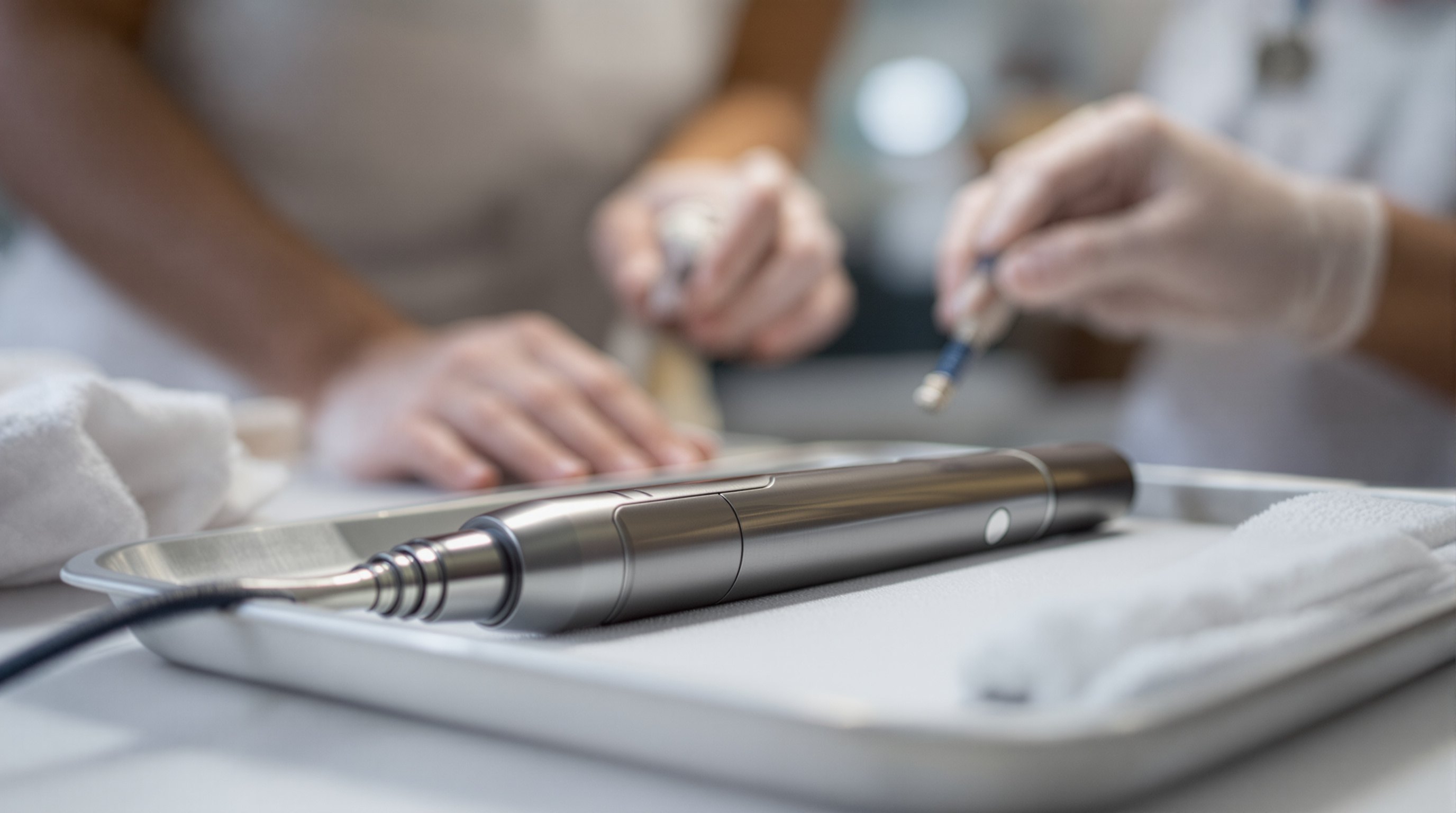
One of the most important questions in non-surgical aesthetics is rarely printed on any menu: does this treatment carry the same risk on my skin tone that it does on the model in the brochure? For several of the most popular devices, the honest answer is no, and understanding why is the difference between a smooth result and a lasting mark. This is not a reason to avoid these treatments if you have a deeper skin tone. It is a reason to choose the treatment, the settings, and above all the provider with more care.
Why skin tone changes the math
The reason comes down to melanin, the pigment that gives skin its color. Many energy-based treatments, especially lasers and intense pulsed light (IPL), work by delivering light that is absorbed by a target in the skin and converted to heat. On lighter skin, the light mostly reaches its intended target. On richer, more melanated skin, some of that light is absorbed by the melanin in the surrounding skin instead, which can overheat tissue that was never meant to be treated. That misdirected heat is what raises the risk of burns, blistering, and two pigment problems that matter enormously: post-inflammatory hyperpigmentation, where the skin responds to injury by making dark spots, and hypopigmentation, where it loses color and leaves pale patches. Both can outlast the concern you came in to treat, and both are far more common when the wrong device or setting meets deeper skin.
Where skin tone matters most, and least
The risk is not equal across the toolkit, and knowing the gradient helps you weigh any given plan. Lasers and IPL sit at the high-attention end, because they rely on light and pigment interacting; older or broad-spectrum IPL devices in particular are a poor match for deeper skin, while certain longer-wavelength lasers were designed to be safer on it. Ablative resurfacing lasers, which remove the skin's surface, demand real caution too (Mayo Clinic on laser resurfacing). Chemical peels and microneedling can be done safely across skin tones, but aggressive depth raises the same hyperpigmentation risk and calls for a conservative hand. Radiofrequency and ultrasound tightening are generally considered more color-blind, because they heat with energy that is not absorbed by melanin the way light is, which is one reason they are often a sensible starting point. Injectables such as neurotoxins and fillers do not depend on skin tone for safety, though any needle can trigger post-inflammatory pigment in skin prone to it. The FDA's overview of these devices is a useful, plain reference for what each is actually intended to do (FDA: aesthetic devices).
What safer treatment actually looks like
A provider who treats deeper skin well does specific, recognizable things. They select the device for your skin rather than reaching for whatever they own, favoring wavelengths and settings with a track record on melanated skin. They often perform a test spot in a discreet area and wait to see how your skin responds before treating a full area. They tend to use more conservative energy across a longer series rather than chasing a dramatic single session, because on richer skin the cost of pushing too hard is measured in months of pigment correction. They ask about your history of keloid scarring, melasma, and previous reactions, and they may recommend a skin-preparation routine beforehand. None of this is exotic; it is simply experience, and it is exactly the kind of judgment that a rushed, discount, high-volume setting is least likely to provide.
Sun protection is not optional here
For any skin tone prone to pigment changes, sun protection moves from good advice to core safety. Ultraviolet exposure before and after a light or resurfacing treatment sharply raises the odds of hyperpigmentation, which is why many providers ask patients to avoid tanning and use daily broad-spectrum sunscreen for weeks around a treatment. Deeper skin is not immune to sun damage, and protecting it in the healing window protects both your safety and your result, the same principle that runs through the entire non-surgical toolkit and every treatment on it.
The questions that surface a good provider
The most protective thing you can do is ask directly, and the answers tell you quickly whether you are in expert hands. Ask how much experience the provider has treating your specific skin tone with this exact device, not the category. Ask which wavelength or platform they are using and why it suits deeper skin. Ask to see before-and-after photos of patients with a skin tone like yours, not a gallery of the lightest possible cases, and read those photos with the same skepticism you would bring to any marketing (how to read before-and-after photos critically). Ask what their plan is if hyperpigmentation appears, because a provider who has a clear answer has clearly seen it and knows how to manage it. These slot naturally into the broader list of consultation questions worth bringing to any first appointment, and they pair with the general principle that who performs your treatment and on what device is the single biggest lever you control.
The takeaway
Non-surgical treatments can work beautifully across the full range of skin tones, but they are not one-size-fits-all, and the marketing rarely says so. If you have a deeper skin tone, the goal is not to opt out but to opt in carefully: favor treatments that are naturally more color-blind when they fit your concern, insist on the right device and conservative settings when you choose light-based options, protect your skin from the sun, and above all choose a provider with real, demonstrable experience on skin like yours. Matched that way, the toolkit is genuinely yours to use; mismatched, it is where avoidable pigment problems are made.
Related reading: Non-surgical treatments for the face: the toolkit.