
Myth Check · July 26, 2026 · 5 min · By Elspeth Mwangi
Myth Check: Does Dermal Filler Really Disappear in 6 to 12 Months?
Imaging studies suggest hyaluronic acid filler can persist far longer than the timelines printed on consent forms. Here is what the mechanism actually says, and why it matters for planning repeat appointments.
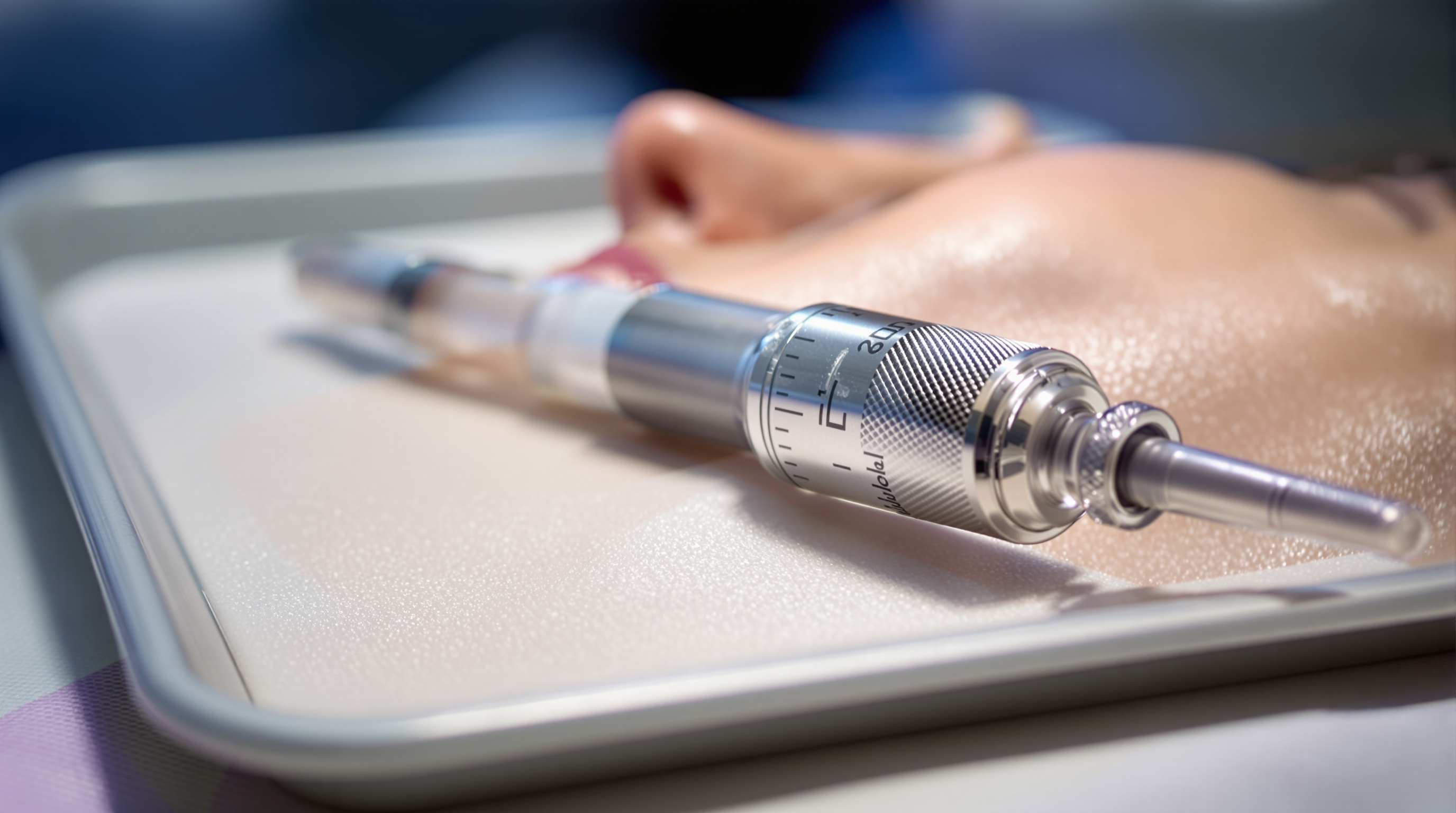
Ask almost anyone who has had lip or cheek filler how long it lasts and you will hear a familiar answer: six months, maybe a year, then it is gone and you top it up. That timeline appears on consent forms, in marketing copy, and in countless consultation scripts. It is also, according to a growing body of imaging evidence, an oversimplification that shapes how often people return for more product.
The claim: hyaluronic acid (HA) filler is fully metabolized within 6 to 12 months, so regular maintenance appointments simply replace what the body has cleared.
The evidence: MRI studies published over the past several years have repeatedly identified HA filler in patients years after their last injection. In some case series, filler placed in the tear troughs, lips, and midface was clearly visible on imaging more than five years out, sometimes migrated from its original placement, sometimes accumulated in volumes larger than patients remembered receiving. Radiologists have also reported filler as an incidental finding during scans ordered for unrelated reasons, in patients who assumed the product had long since dissolved.
Why the mechanism supports longer persistence. Naturally occurring hyaluronic acid in the skin turns over in roughly a day. Injectable HA fillers are deliberately engineered not to behave that way. Manufacturers cross-link the HA chains, most commonly with an agent called BDDE, creating a gel that resists the enzyme hyaluronidase, the body's main tool for breaking HA down. The degree of cross-linking, the gel's cohesivity, and its particle structure all vary by product line, and all are designed to slow degradation. A heavily cross-linked gel placed deep on the bone, in an area with little muscle movement, faces very little enzymatic or mechanical pressure to break down quickly.
So why do results seem to fade around the one year mark? Two things can be true at once. The visible effect softens even while product remains. Filler absorbs water, integrates with tissue, and can shift subtly with muscle activity and gravity. The crisp projection seen at two weeks flattens over months as the gel settles and spreads. Patients perceive this as the filler being gone, when a portion of it is often still present, just less optically obvious. Swelling from the injection itself also inflates the early result, so some of what fades in the first month was never filler at all.
What actually determines longevity. Several variables interact. Product rheology matters: firmer, more cross-linked gels intended for deep structural support generally persist longer than soft gels made for fine lines. Placement depth matters: filler on periosteum in a low-mobility zone outlasts filler in the lips, where constant muscle movement mechanically stresses the gel. Individual biology matters too. People vary in native hyaluronidase activity, metabolic rate, and inflammatory response, which is one reason two patients receiving identical treatments can report very different durations.
The practical consequence: stacking. If a patient returns every 9 to 12 months for a full syringe on the assumption that the previous one is gone, and 30 to 50 percent of prior product remains, volume accumulates. Clinicians increasingly describe this pattern, sometimes called filler stacking, as a driver of the overfilled midface, blunted lid-cheek junction, and puffy under-eye appearance seen in long-term filler patients. The face was not treated badly on any single visit. The arithmetic of repeated full-volume top-ups on a partially persistent product simply added up.
What a more accurate model looks like. A reasonable framework, and one more injectors are adopting, treats the printed duration as the period of peak aesthetic effect, not the period of physical presence. Under that model, maintenance visits become assessments rather than automatic refills. Smaller touch-up volumes, longer intervals for deep structural filler, and occasional deliberate pauses let the clinician evaluate the true baseline. Some practitioners now use ultrasound to visualize residual product before adding more, which removes the guesswork entirely.
Where hyaluronidase fits. The persistence of cross-linked HA is also why dissolving filler is not always a single quick appointment. Heavily cross-linked gels can require multiple hyaluronidase sessions, and imaging afterward sometimes shows remnants. Anyone planning to dissolve years of accumulated filler should expect a staged process, not an instant reset.
Bottom line. The 6 to 12 month figure is not a lie, but it describes when results visibly soften, not when the product leaves the body. Cross-linked HA can persist for years, particularly in deep, low-movement placements. The useful takeaways are simple: keep a written record of every product, volume, and location injected, question automatic annual top-ups, and treat each maintenance visit as a fresh assessment of what is actually still there. Less frequent, smaller, better-documented treatments tend to age far more gracefully than a calendar-driven refill schedule.
Related reading: The Reverse Countdown: How Far Before an Event Each Non-Surgical Treatment Should Actually Be Booked.